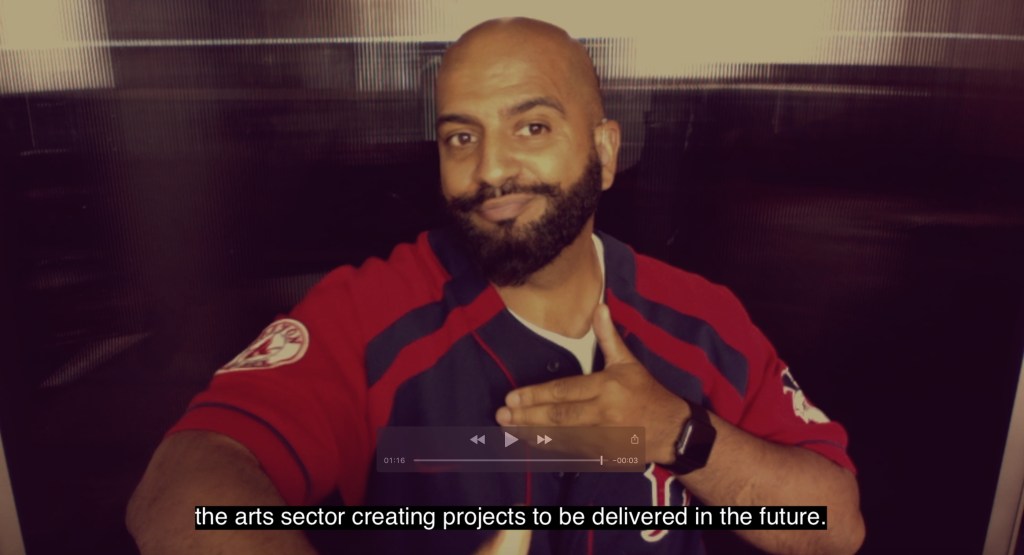
• Live online workshops, led by Billy Read, Deaf street dancer and Choreographer.

    Live online workshops, led by Billy Read, Deaf street dancer and Choreographer.

    Starting the week of 16th November, UK Deaf Sport have commissioned Billy Read to lead 6 x 30 minute zoom sessions for Deaf and Hard of Hearing students in schools around the UK.

    3 sessions will be aimed at primary school and 3 sessions for secondary schools.

    After taking part in the zoom sessions, Billy also has a series of 5 x 15 minute dance videos  that can also be shared with schools to use with students. This is part of a research commission by Arts Connect with Deaf Explorer and more information will be posted shortly.

    As safeguarding is of key concern, Deaf Explorer are happy to talk to each school to find out how access to the workshop would be best. Deaf Explorer have a professional zoom account with meetings set up with password protection. 

    The aim is that 2-3 Deaf schools would access the zoom session, depending on class sizes. Deaf Explorer safeguarding lead & BSL interpreter, Rachael Veazey, will be with Billy on the zoom call (but Rachael would have her camera switched off and provide voice over for the session). Both Billy Read and Rachael Veazey are DBS checked and can provide certificates for schools.

    Billy would like the students to be able to see him teach, as well as see each other, so it feels like a large workshop session for students, but happy to just to teach with the school’s camera switched off and communicate via the chat function if that is more appropriate for the schools.

    Dates and times are yet to be fixed, ideally we would like the schools to agree dates and times together as this is a shared workshop experience.  Deaf Explorer and UK Deaf Sport are happy to make introductions between schools and staff as needed.

    Video about Billy Read

    Previous feedback from a deputy Head teacher after Billy’s residency work at a school: 

    ‘I just wanted to let you know that the impact of your work with the children has been remarkable, both during the week you were here and after you had gone. Over the course of the week, we saw some of our most shy pupils transform into confident stars of the stage… The  dad of a profoundly deaf pupil…[said] she had arrived home from school each evening  buzzing about the Deaf dance teachers.  The whole week was an incredible success, true inclusion at its very best. I must tell you that nearly all of the children you worked with went on to create their own dance piece for the school talent show – the staff were amazed at how the children were able to transfer the skills they had learnt from you to choreograph their own piece. Thank you all so very much for a transformational week – we will remember it for many years to come’

    If your school or class are interested in the workshop, please email Rachael at rachaelv@deafexplorer.com and we can arrange a (video) call to sort out logistics.
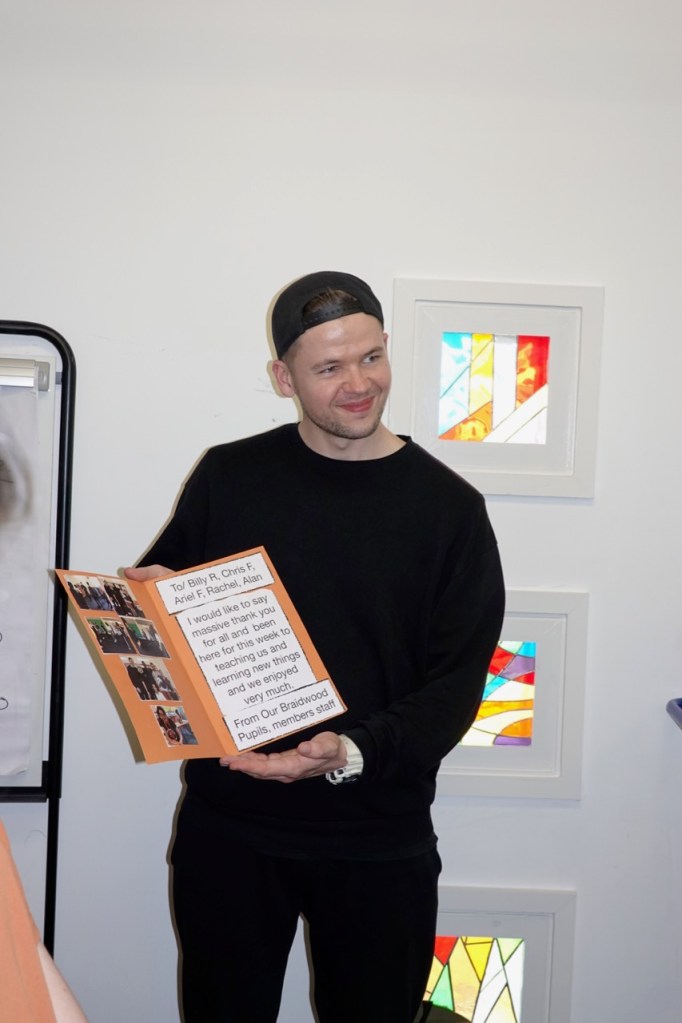
    Billy receives a scrapbook of memories from students after a five day dance residency.

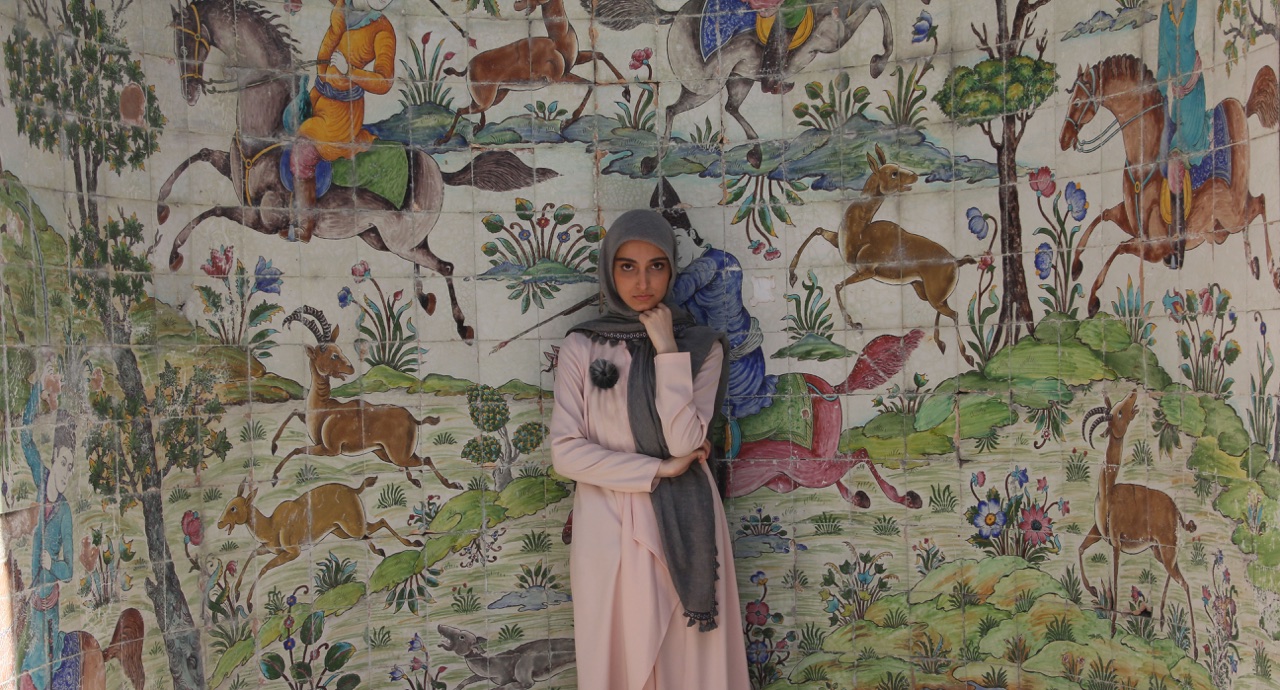
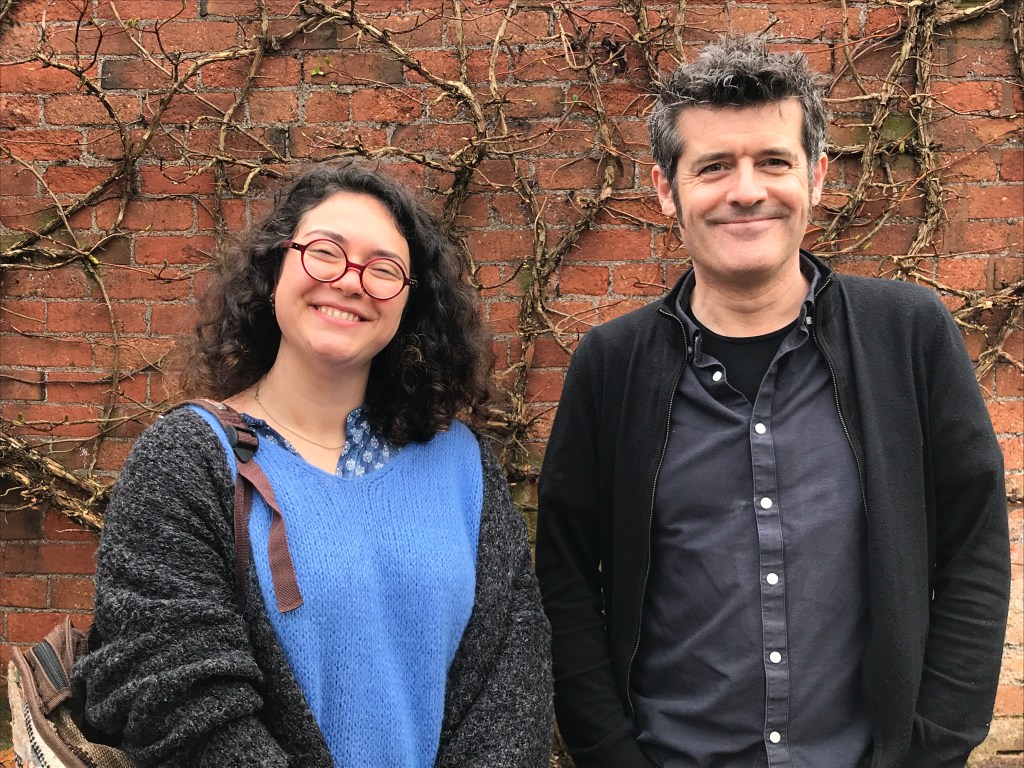
  • Video - Audio description. Maral is an Iranian woman with dark brown curly hair to her shoulders. She wears black framed round glasses and bright red lipstick. She is dressed in a black long sleeved T-shirt and jeans. She is sitting on a bench in a park with green bushes in the background.
  • Due to Covid 19 and the closure of schools in Pakistan, as well as the involvement of multi-disciplinary artist Rinkoo Barpaga, the R&D has transformed into a photography project.

    Emerging West Midlands based deaf actors Yann Charlot and Leigh Blake with Theatre maker Rinkoo Barpaga

    Deaf people are the hidden citizens of the world. They operate using their own languages, cultures and communities. Though engagement with the deaf community through the arts is on the increase in Birmingham, predominantly lead and supported by Birmingham Rep theatre, wider engagement with the arts in the young Deaf Pakistani community is minimal. The Pakistani Deaf community is a diaspora within a diaspora. Rinkoo Barpaga is a ground breaking emerging theatre maker, having been supported and produced by Deaf Explorer winning two arts council project grants, an Unlimited R&D theatre commission and an arts council DYCP grant, and last year applying and being awarded a place in Birmingham Rep Theatre’s artist development programme, The Foundry. Supported by Deaf Explorer as producers and Rachael Veazey as creative enabler, Rinkoo is now in a position to inspire and lead a new generation of PoC deaf artists who are both desperate for opportunities, but also not able to access opportunities when they arise due to lack of interpreting support, but also a cultural perception that they are not able to engage with the arts as they are not white, hearing people. Birmingham has a very large community of Deaf young people who’s families originate from Pakistan, yet they are underrepresented at all most all levels of the Deaf community, let alone the hearing community. Rinkoo recently performed an excerpt of the one-man play he wrote during his foundry residence, Made In India/Britain, to over 70 deaf PoC people, and the overwhelming feedback from the community was that they would like to make theatre work and allow their stories and voices to be platformed, but there was no opportunity to do this. Deaf Explorer and Rinkoo believe that Transforming Narratives, could be the start of theatrical engagement with this hard-to-reach community and with Rinkoo as a cultural leader. We will look at shared experiences in the Deaf communities of Pakistan and Birmingham, histories, stories and what it means to be a Deaf citizen in 2020.

  • Maral Mamaghanizadeh commissioned by ArtReach and Journeys Festival International

    In August 2020, Maral was commissioned to make a digital sharing of her Arts Council England funded R&D, making fine bone china jewellery to be worn over the ears.

    Working with local Birmingham film maker, Sima Gonsai and Chris Bartholomew (Deaf Explorer’s ‘go to’ sound designer) Maral has created a performance film introducing Maral’s experience of Deafness and jewellery making, her artistic practise and becoming a political refugee due to the nature of her artwork.

    Working with moving image was a natural next step for Maral who has a passion for using her jewellery for storytelling and inviting an audience to step into her deaf world.

    Deaf Explorer have been delighted to support Maral throughout the commission and can’t wait for audiences to see Maral’s film.

    Join Maral online at the festival 5th October – 11th October where she will share three films – how she sees the world as a Deaf, female refugee, an introduction to her art film and the film itself.

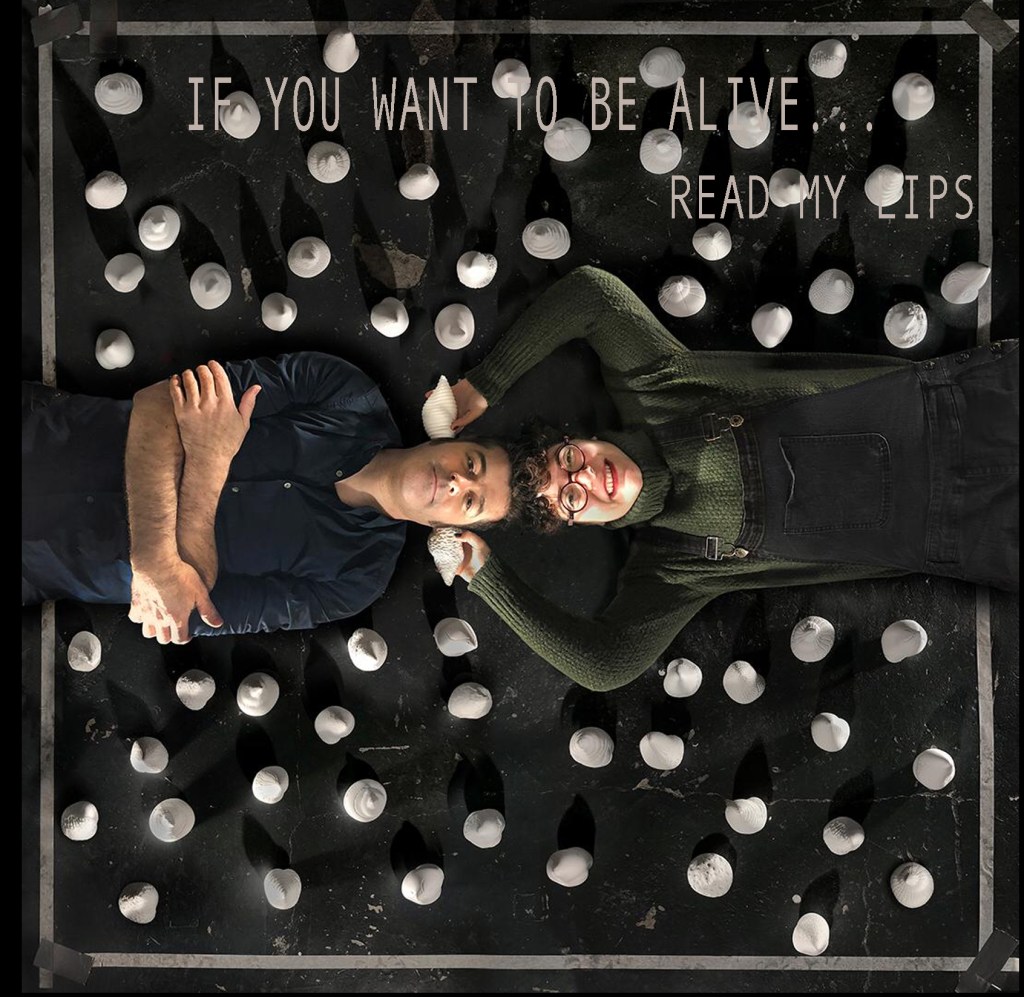
    As Maral often says; “If you want to be alive…read my lips.”

    https://www.journeysfestival.com/

    Photo credit: Chris Wight (cone8.co.uk)
  • Making Zoetropes The Wheel of Life

    Omeima Mudawi-Rowlings

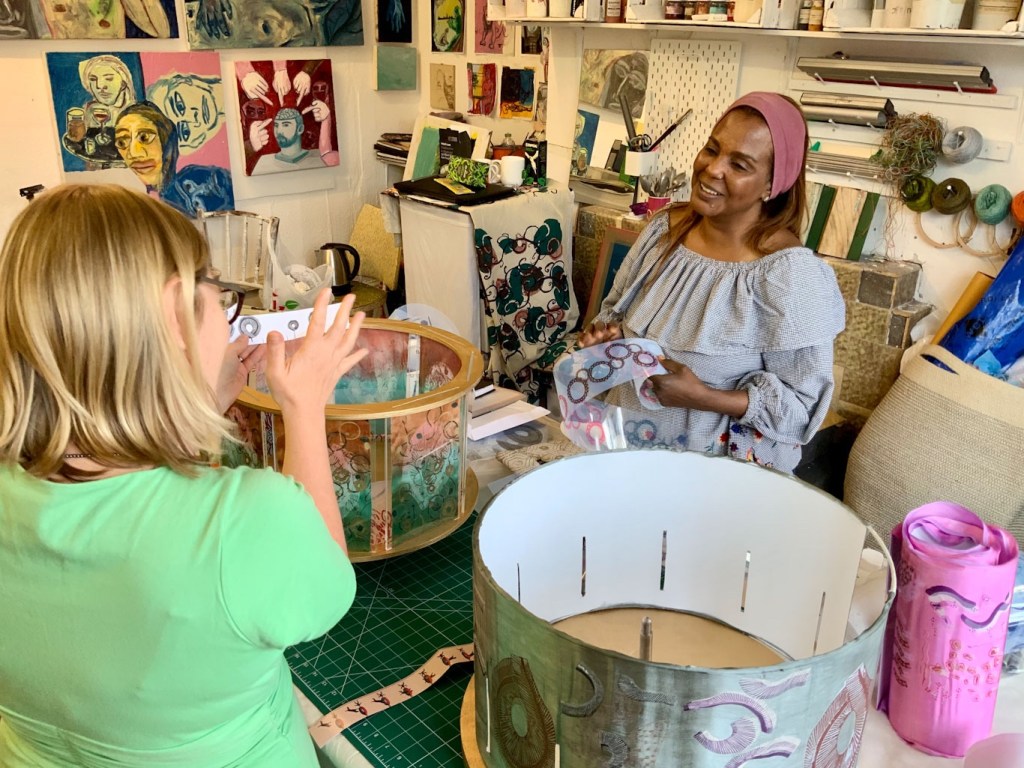
    My 2019 R & D project R&D worked with experts to find practical solutions to making a large-scale Zoetrope that would display my fabric design, It involved a collaboration with Oud musician Rihab Bazar, who composed and played the music, and Ruth Montgomery, who gave musical interpretation to what I was trying to express through my ‘Wheel of Life’ experiment with textile printing and moving images, which progress around a beautiful cylindrical structure.

    The Wheel of Life R &D by Omeima Mudawi-Rowlings

    Proposal for 2020/21

    Using the musical notes D, E, A and F. Omeima Mudawi-Rowlings will construct an entire zoetrope using Oud strings so that as the viewer moved the cylinder round, they could simultaneously play their own music on the strings that would form the sides of the cylinder. This idea is represented in the prototype zoetrope that Omeima Mudawi-Rowlings constructed in her R&D and shown in the film. The film also presents the perspex model was constructed through collaboration with Claire Grotefeld, this designed for outdoors.

    Omeima Mudawi-Rowlings Artist Statement

    I am a midcareer textiles artist who has received awards and commissions in recent years that has seen me stretching my practice beyond conventional screen-printing and dyeing techniques, and I am currently developing my expertise in the use of paper and glass. As a Deaf person, my creative process is primarily driven by what I can see and touch. My inspiration comes from textures and deep vibrant colour schemes, as well as the shape of organic and human-made architectures, often when they appear in juxtaposition. I explore and blend together the various cultural influences that I have in my life, namely as a woman, a Deaf person, and a Sudanese Arab who lives in England. Research plays an important part in my practice, as it helps me work through the initial stages of experimentation that I need to do before getting closer to finished object: such a process has enabled me to make progress in bringing glass and textiles together. I have often been told that these are impossible to marry because of the firing process, but I am determined to build on my small successes to date and create something ground breaking and unique. I believe that with the right materials, technique, and determination, alchemy happens and you can create something the unexpected. I have a deep passion for the arts and the opportunities it can provide for individuals to express their identities, experiences and shared memories. My own journey has been a struggle and I am keen to work alongside other artists in order to highlight the barriers that still exist for Deaf artists, working towards a future where these are no longer are an issue. I always offer the galleries or organisations that I work alongside or exhibit with the chance to be involved in Deaf Awareness workshops, to improve their own practices and to share my experiences so that they may work better with any future Deaf artists that they come across.

  • Rinkoo Barpaga films with Billy Read and Ariel Fung

    Rinkoo Barpaga supported Billy Read and Ariel Fung to create a filmed sequence for Billy Read’s Arts Council Funded R&D project, ‘Somebody’s Watching Me’ in 2018 and then in 2019 Rinkoo again supported Billy Read to develop this work as part of Billy’s performance at Frontline Dance Festival in Stoke.

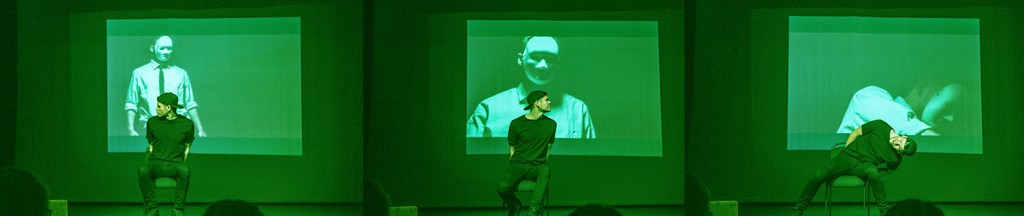
    Rinkoo Barpaga collaborated with Deaf Dancer Billy Read to make film for his Dance Theatre trilogy. Billy Read is a profoundly Deaf street dancer; with something to say about inequality, privacy & human rights.

    Forbidden Identity a vision that opens Bily Read’s Dance Performance Forbidden Identity by Rinkoo Barpaga
    Drone Movie set in Billy Read’s Dystopian future. Deaf people rebel and challenge a ban on sign language. 

    “Blown away, thank you Rinkoo for your powerful and gripping story”. 

    Rinkoo recently performed for camera his unique style of story telling for the online Crystal Palace Festival on August 15 2020
  • The politics of voice: The tale of tresses

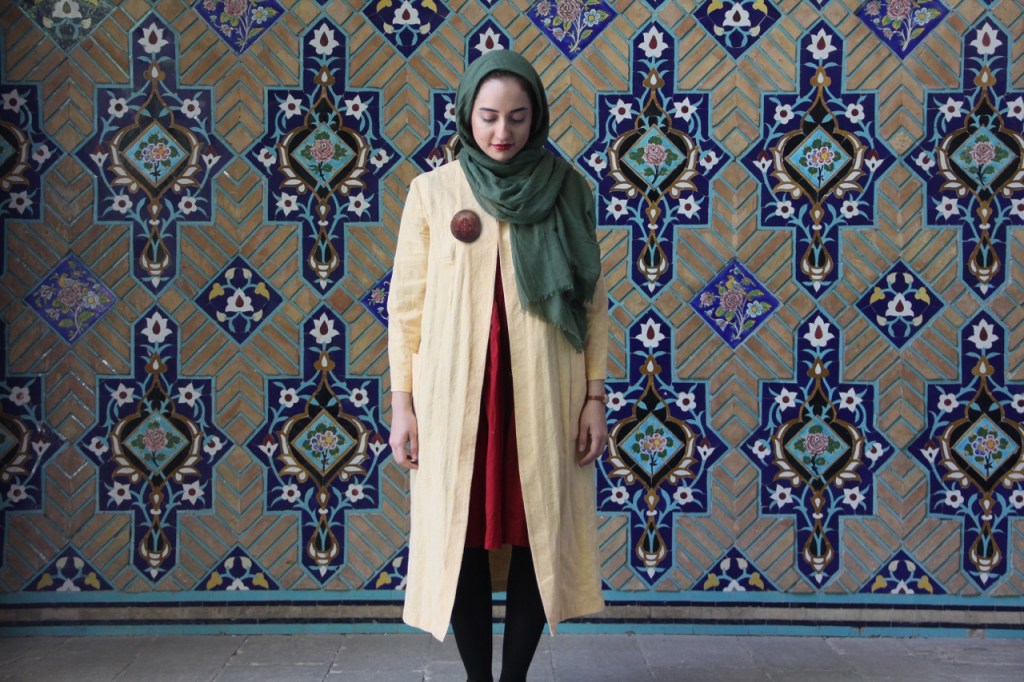
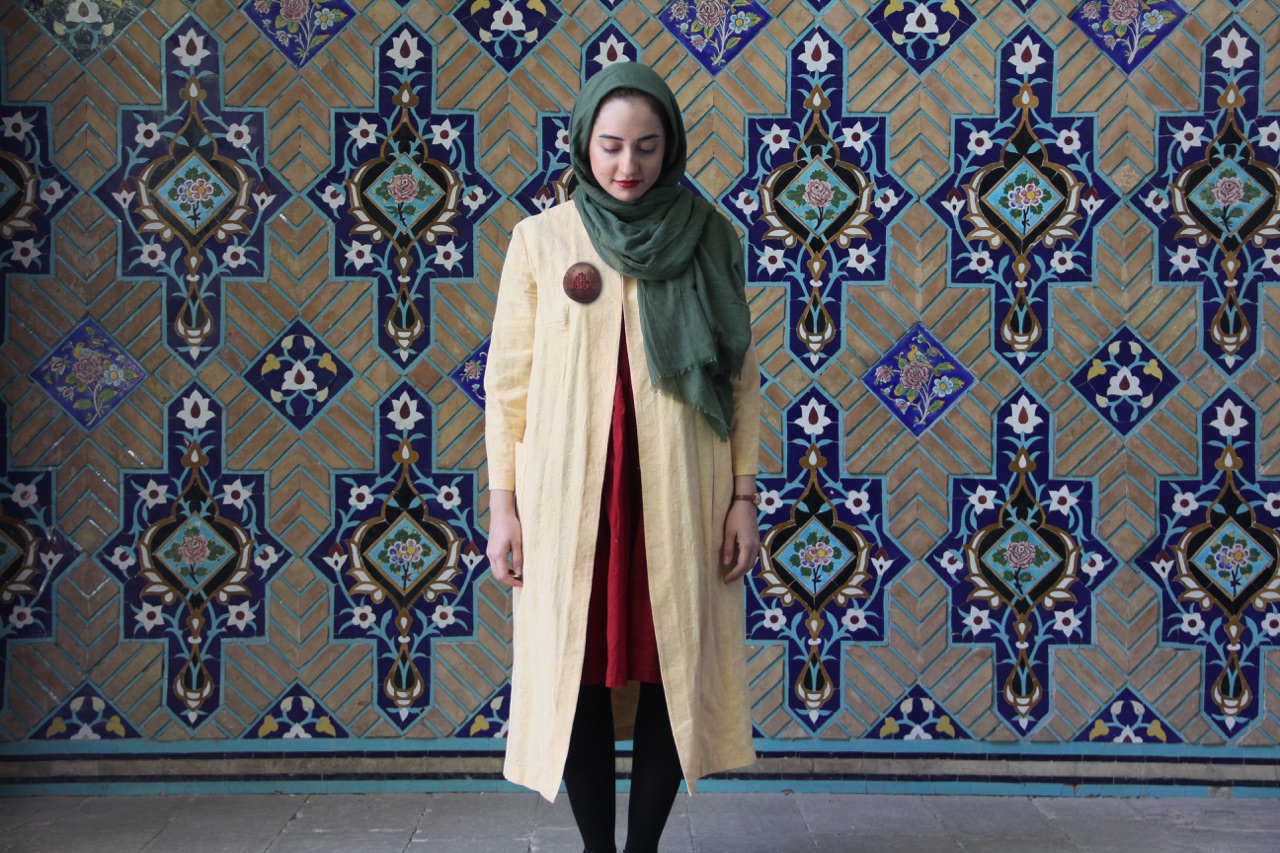
    Maral Mamaghanizadeh graduated with an MA from the school of Jewellery and Silversmithing from Birmingham City University in 2017. During her time at BCU, she created work that drew on her experience as a Deaf Iranian woman with feminism, oppression and the forced wearing of the hijab [veil] in Iran. 

    As a woman in Iran, you are not allowed to uncover your hair, talk about feminism or sexuality, as these are taboo subjects. 

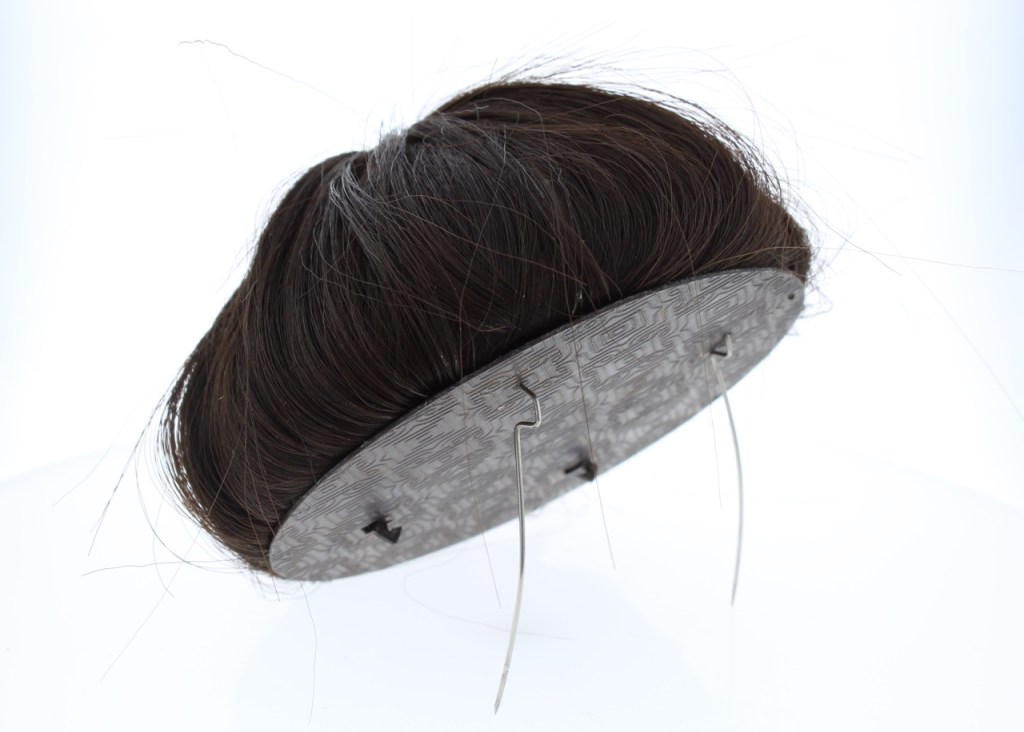
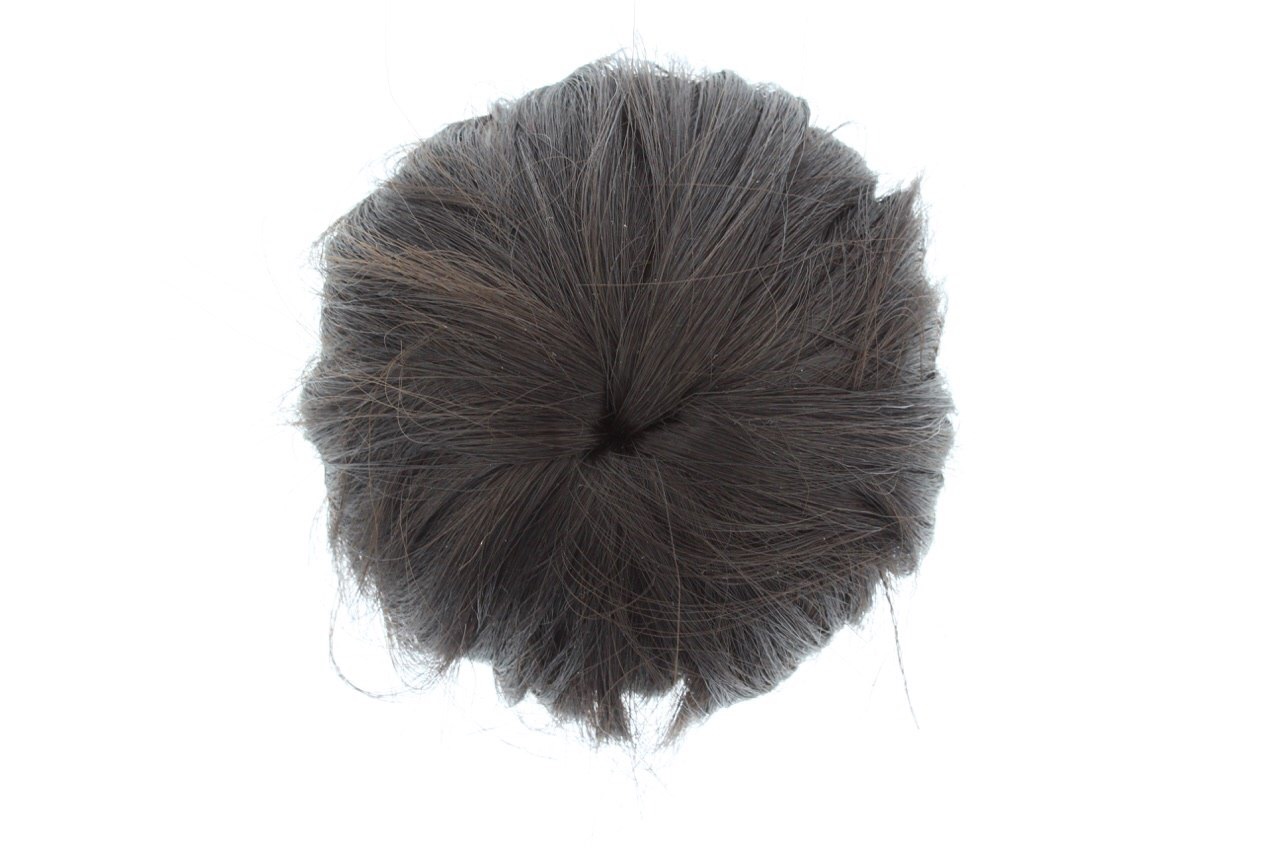
    Leaving Iran and studying in the UK gave Maral a new perspective on the issues surrounding women’s rights. She began to use human hair as a material within her work, the hair representing the long term political struggle that exists in Iran. 

    Maral explored this conceptually by creating a series of brooches using her own and her Iranian friend’s hair. As a provocation, she cut her hair live on instagram.

    Maral’s Provocation.

    Each brooch is unique, designed to match each person that has donated their hair. The hair decorates the brooch using patterns and symbols to represent the personality of the wearer, and the stories that they, as women, reflect upon. 

    The Tale of Tresses: Fatemeh

    Fatemeh: Fatemeh is the shyest person I have ever met. She has no confidence in herself and suffered from anthropophobia.  I camouflaged the coconut shell with her hair, to hide the base material representing Fatemeh who makes an emotional wall around herself from people, so they cannot get close.  

    The Tale of Tresses: Dorsa

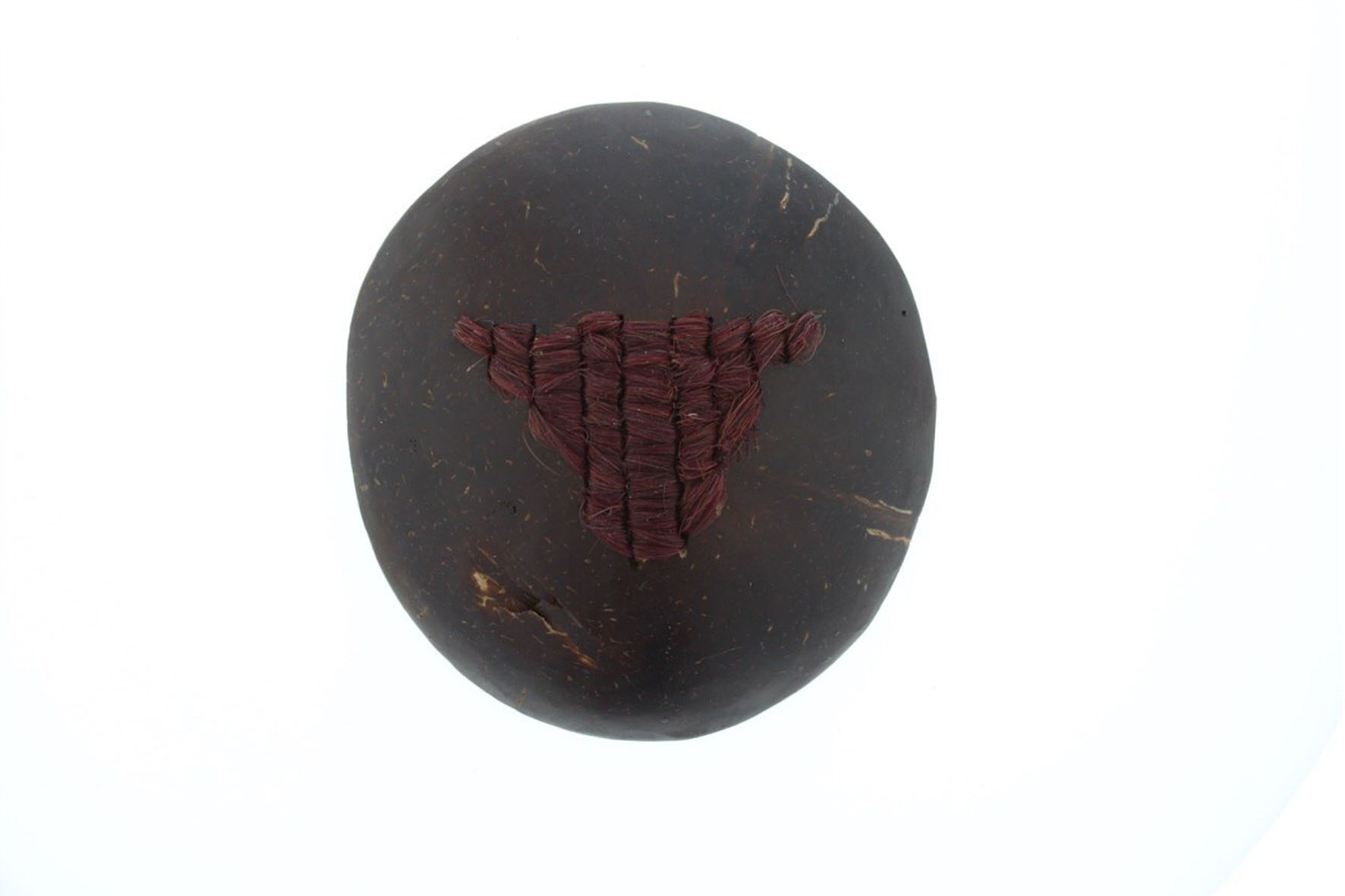
    Dorsa: She is into warm tones of colour and also the mysterious and primitive shapes from ancient human’s drawings. I wove her hair into the coconut shell in her favourite shape, the triangle. I used a traditional basket weaving method to do this. The triangle is upside down, representing the shape of the womb, to show her femininity.

    The structure of the brooch is made with a coconut shell, resembling a woman’s breast. The intention is to challenge the male patriarchy in Iran; you force me to cover my hair for modesty, to protect myself from men’s lustful gaze, but it is YOU that can’t control yourself. If I wear my hair on my ‘breast’, do I still break your rules?

    This unique series of protest artwork eventually forced Maral to seek asylum in the UK. Unable to return to her family and her home country, Iran, she now has permanent leave to remain in the UK and has settled in Birmingham.

  • If You Want to be alive…read my lips!

    Maral Mamaghanizedeth’s research and development project, funded by Arts Council England, 2018 – 2020. Maral uses British Sign Language to communicate, so this report has been translated from BSL into written English.

    My work explores barriers I encounter everyday; being Deaf, female and a refugee. Arriving in the UK in 2016 without written English or British Sign Language, I learned two languages to enable me to study an MA at the School of Jewellery, Birmingham City University. After graduation, l was unable to return to Iran, due to the political nature of my art work, specifically my body of work, “The Politics of Voice” that directly challenged the Iranian regime’s forced wearing of hair coverings. I sought asylum in the UK and became a refugee. I now have permanent residency in the UK and am eligible to work. My work and material of choice has always been human hair, but during my first council funded commission, I took a new direction and began to experiment with ceramics.

    I was funded in 2018, by Arts Council England to lead a research and development project; “If you want to be alive…read my lips!” This grant was to develop my skills and interests in ceramics, particularly in using bone china as a material to make jewellery.

    Maral and Chris meet to discuss bone china as an artistic material.

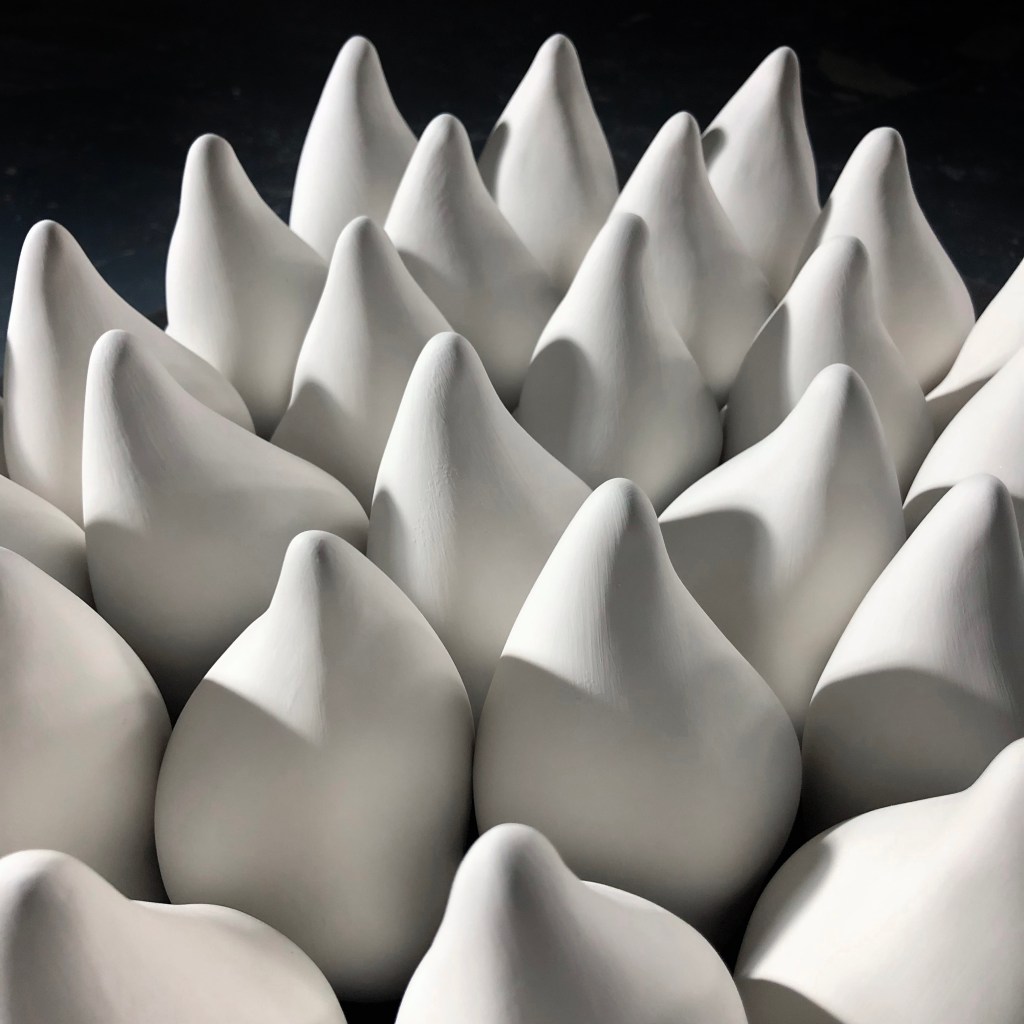
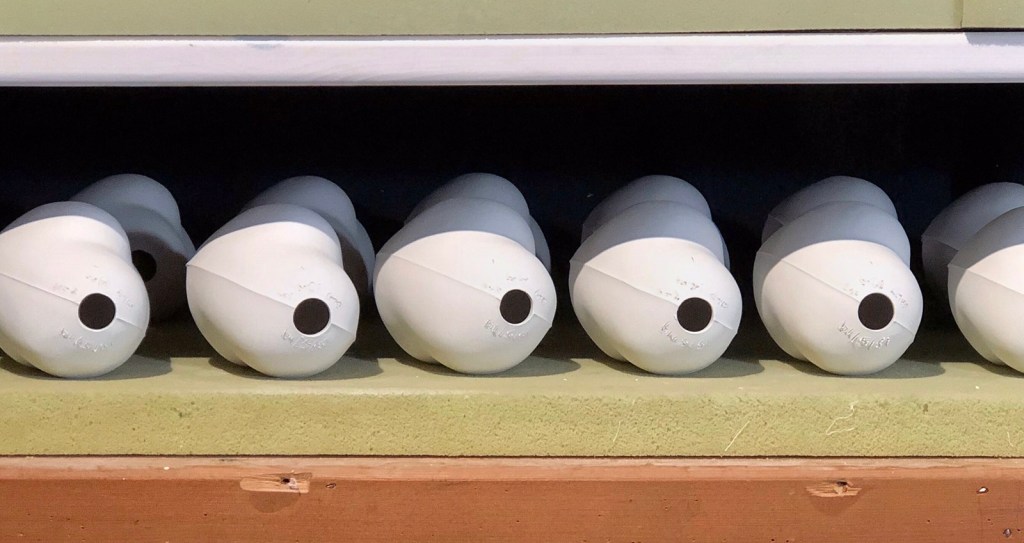
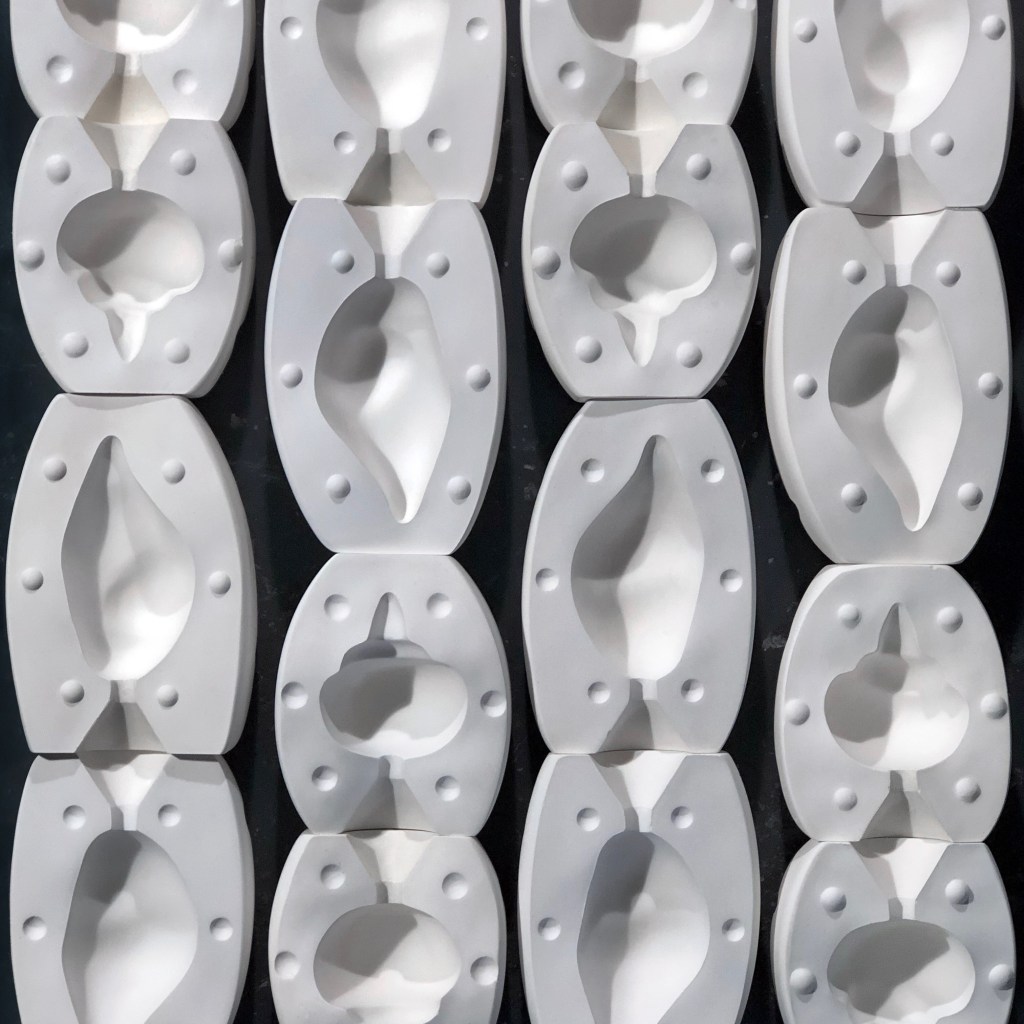
    During this project, I met and collaborated with Chris Wight (https://cone8.co.uk) who pushes the limits of fine bone china and is also interested in experimenting with bone china and sound. Chris mentored me to create biomorphic forms in bone china that are both atheistically arresting, but also serve a function of creating an illusion of hearing loss in the wearer. My skills as a jewellery designer and Chris’ skill at creating biomorphic shapes were well suited and we designed and moulded fine bone china ear jewellery.

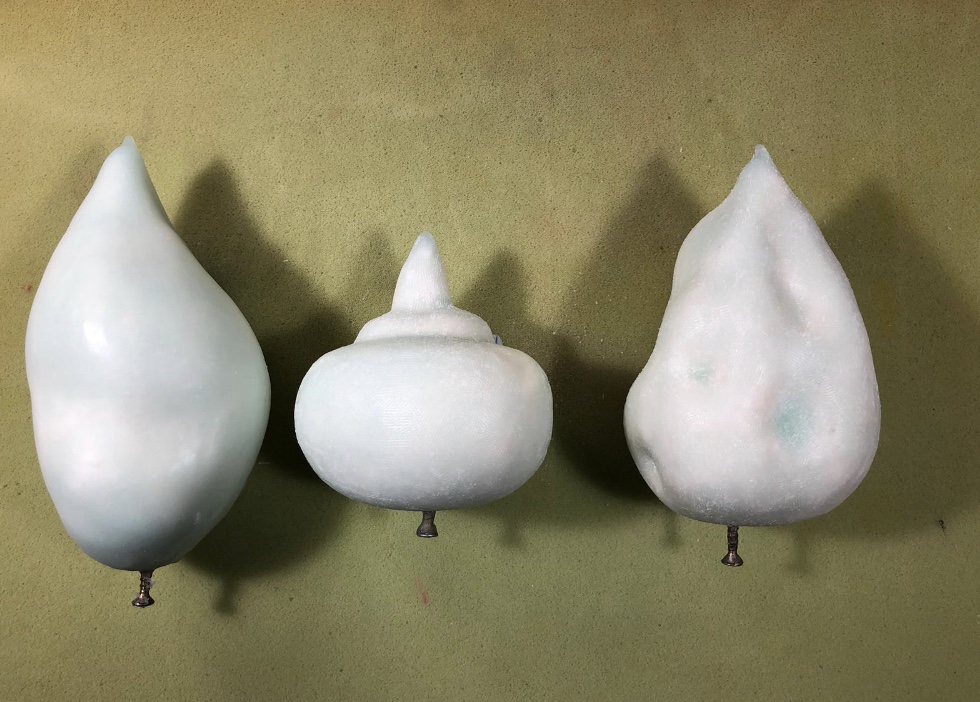
    The ear jewellery moulds. Image by Chris Wight – https://cone8.co.uk/

    My concept was to create ear jewellery that is designed to be worn and enjoyed, however, the ear pieces are designed to inhibit sound and the wearer will experience a level of hearing loss through the ear pieces gaining an understanding of hearing loss and thus greater empathy and understanding of the Deaf community. The biomorphic shapes that I designed were also designed to be abstract forms of the female anatomy as my artistic practise is rooted in challenging forms of oppression against women.

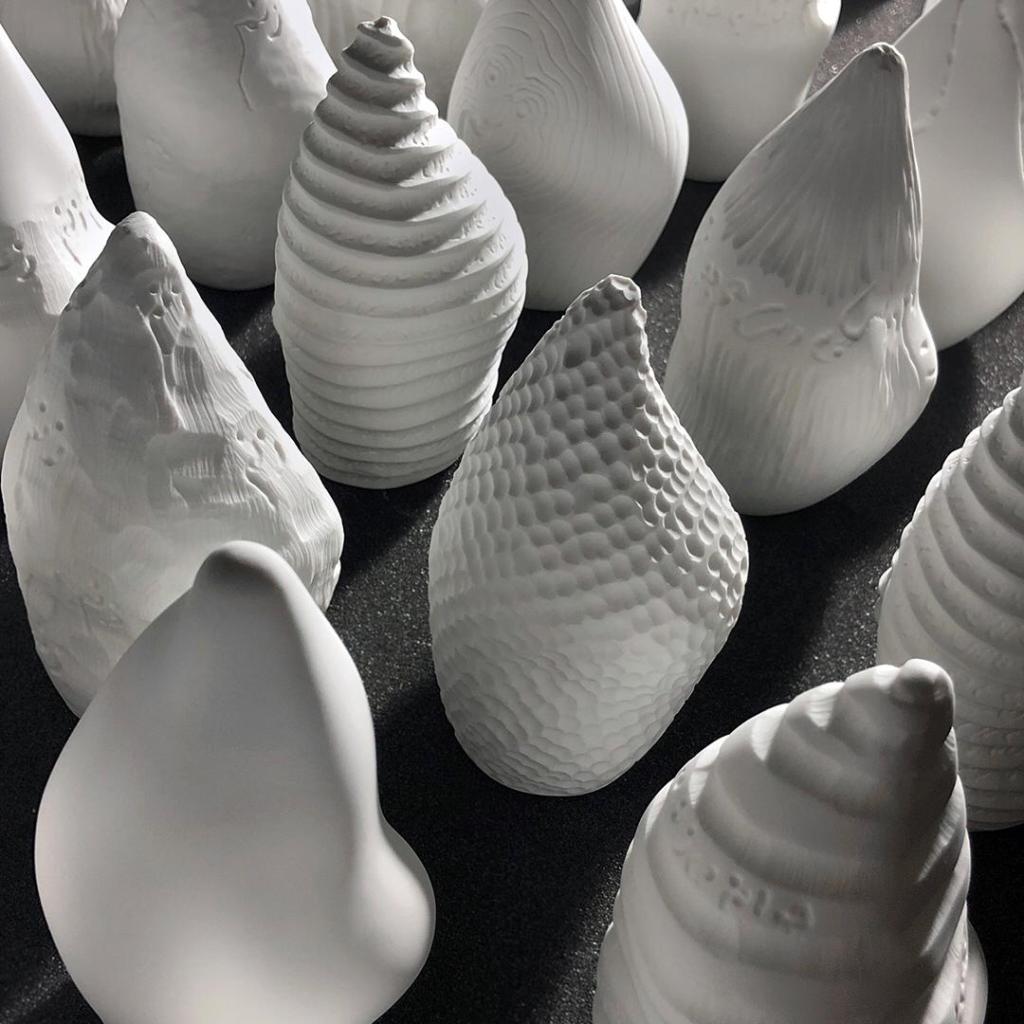
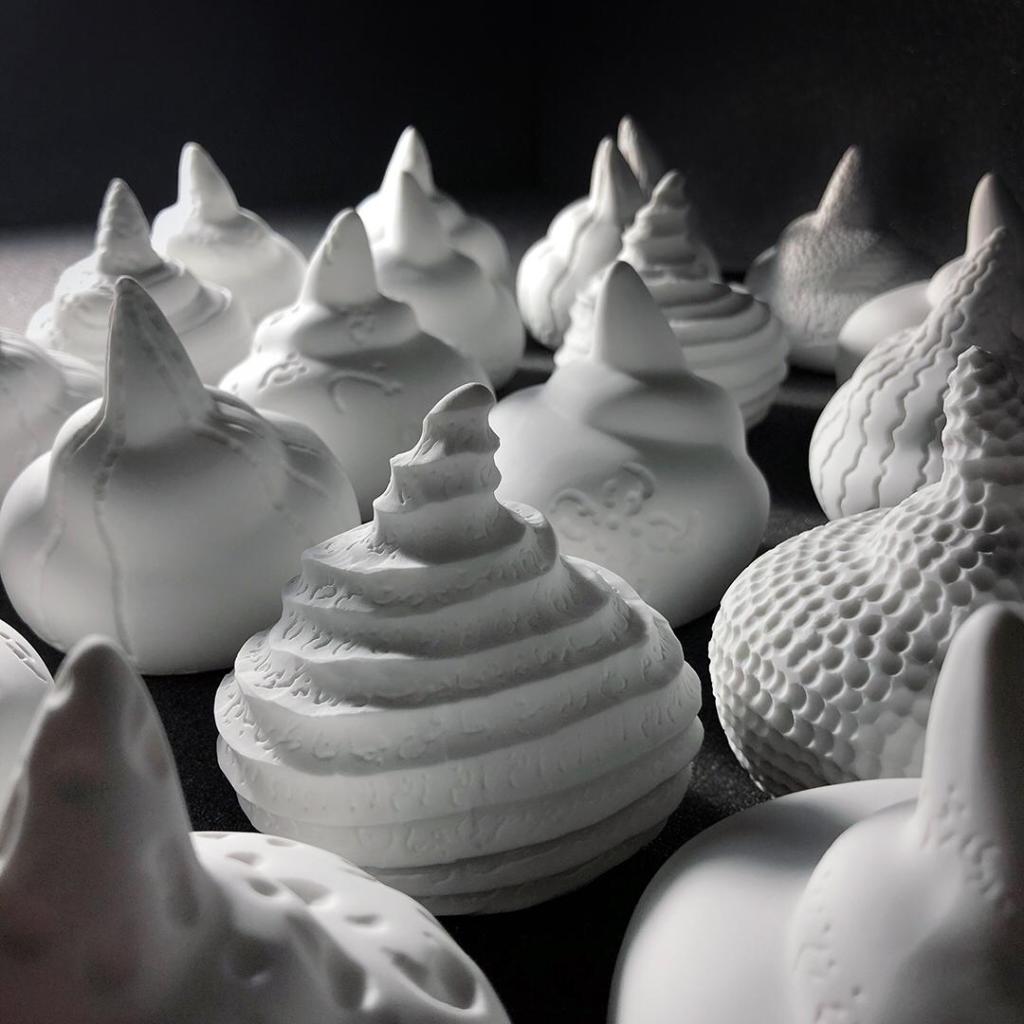
    Craved and final fired ear pieces. One example of the two shapes fired. Image by Chris Wight – https://cone8.co.uk/

    Once we had moulded and low fired the two shapes that would be used for the ear pieces, I then carved the pieces with marks and patterns and feminist protest poems written in my native language of Farsi.

    Wax models of the ear jewellery, ready to make the moulds.

    Carving the jewellery was a big challenge as I did not have access to a studio space or extractor fan at that time. I worked out of the back door of my flat, using a bowl of water and a hairdryer to clear away the fine dust particles. Eventually I bought a small extractor fan to help me complete the work.

    Carving the ear jewellery after low firing.

    Once the pieces had had their final firing and I collected them all from Chris Wight’s studio. They are so beautiful and tactile; I am delighted with the results. I was delighted to work with Chris Wight, he is an incredible artist and I learned so much from working alongside him.

    Ear jewellery after carving and final firing. Image by Chris Wight – https://cone8.co.uk/

    I then visited Chris Bartholomew in his studio in South London, taking some samples of the jewellery with me to discuss a sound design that could replicate hearing loss and for Chris to test how much hearing would be lost from wearing the ear pieces. I sent Chris an Iranian protest song about the lack of women’s rights under the Iranian regime and he also found samples of women’s street protests in Iran and began to mix a soundscape to replicate what someone with mild to moderate hearing loss would experience. I have a profound hearing loss, so have very little access to any sound.

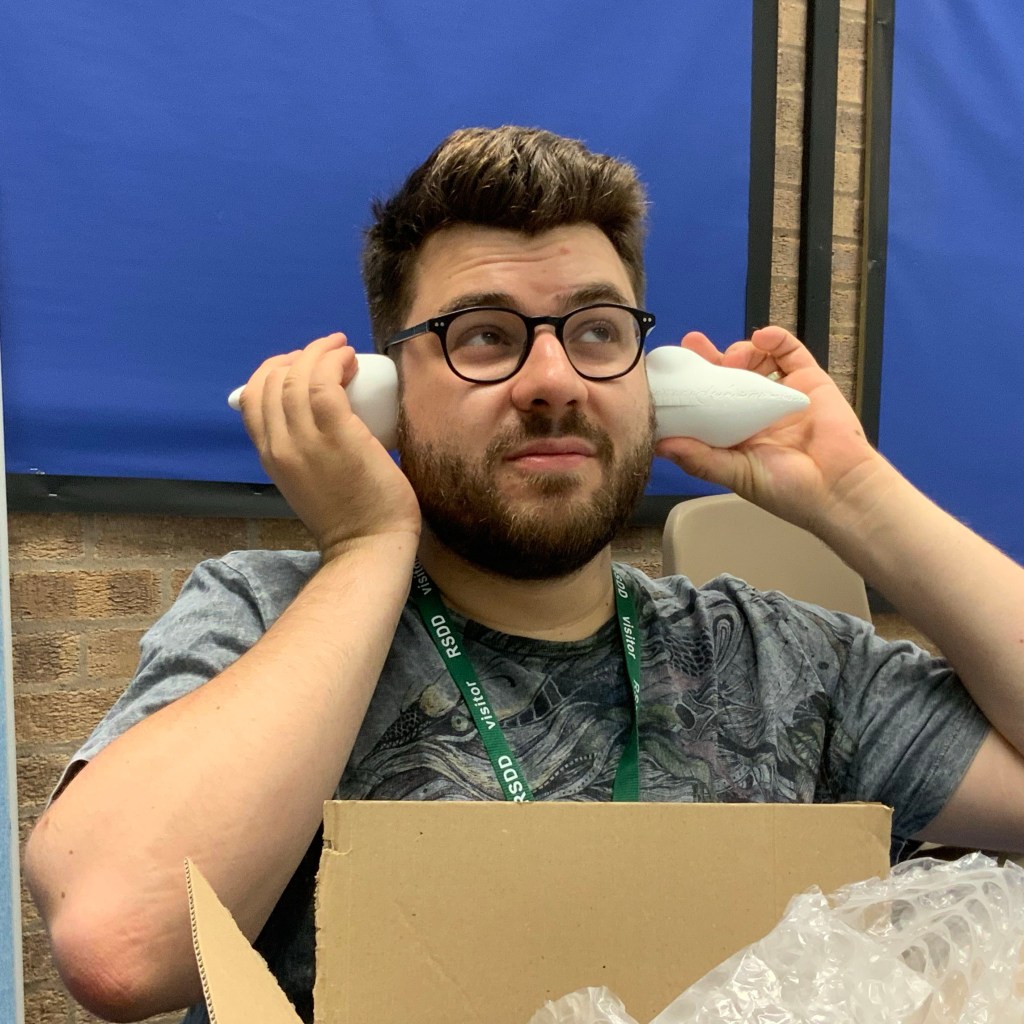
    Chris Bartholomew holds the ear jewellery to his ears, testing how much ambient sound is reduced.

    I then had a mentoring session with artist Lisa Watts to develop a ‘happening’ event to introduce the jewellery to an audience. STEAMhouse, Birmingham offered me space to lead the event on 26 January 2020 and  I was able to test the effectiveness of the jewellery and gain feedback from creatives. 

    Chris Bartholomew plays a recording of an Iranian women’s protest song for the audience to listen ti through the ear jewellery at STEAMhouse January 2020.

    I have been invited to lead similar event at Autograph gallery in London, once COVID-19 restrictions have been lifted. 

    Due to lockdown and social distancing, I feel that a face-to-face event is a long way off, so I am looking for digital commissions to create a performance film of the happening, centred around these decorative, but disruptive, pieces of work. I wan to continue sharing my work and my unique identity as an artist of many different intersections. 

    I want to thank Arts Council England for their support in funding this project.

  • 3 Deaf artists commissioned by Creative Connections projects to help us through the lockdown and social distancing.

    We are delighted that Creative Connections have commissioned three Deaf artists. It’s a Creative people and places project.

    Creative Connections is a new strand of work that has been developed to support creativity across the Black Country during these extraordinary times. Each project has been chosen by a panel of people from the Black Country and includes a wide variety of ideas that will take place both online and offline, in specific areas and across the whole region.

    Some of the projects have started and some will be kicking off any day now and we’ll be sharing how you can get involved with them, watch them, receive info about them below. In the meantime here is a small teaser of information about each of the chosen projects. This is just a tiny bit of information – each project has many elements to engage and we’ll be sharing that as they unfold.

    You’ll see that we have put some of the projects in geographical areas, however you’ll also notice that some of these can be shared anywhere so don’t be put off by the ‘areas’.

    KINETIC CONNECTIVITY – Deaf Streetdance in Lockdown by Billy Read
    Billy will create a fun and accessible digital content for young Deaf people releasing short street dance video tutorials each week, in BSL. Starting from beginners and leading to short sequences the videos will be pre-recorded for access (BSL interpreter ‘voice-over’ and subtitles).

    https://www.facebook.com/defmotion/

    BLACK COUNTRY DEAF STORIES by Rinkoo Barpaga
    Rinkoo will engage Deaf people in the Black Country by asking them to share their stories with him. Stories about growing up in the region, their families and what life was like then and is like now, and what it means to be Deaf and having to social distance. “I want to re-engage Deaf people in the Black Country with arts and share the strong traditions of story-telling that are at the heart of Deaf culture. Deaf people tell stories of everyday life with creativity and rich detail.”

    FINN’S FISHTANK by Finn
    Deafblind artist Finn wants people to join him in designing a fish tank by sending digital images of drawings of fish, backgrounds, corals, and ornaments to populate his virtual tank. The fish form part of a wider tech project that Finn is developing with Coventry University to create the sensation of touch to augment 3D animation. We don’t want to give the surprise away but Finn has plenty of ideas on how a ‘favourite fish’ competition will develop in to something quite special.

    https://www.facebook.com/john.finn.1272010

    https://www.creativeblackcountry.co.uk/creative-connections

  • Thank you to Arts Council England for emergency funding for Deaf Explorer
    Rinkoo Barpaga

    Deaf explorer CIC support artists working in all art forms photography, painting,  crafts, jewellery, Live art,  theatre, stand up comedy, VV, storytelling, music and dance.
    We are creative producers empowering Deaf artists to access real-world opportunities, troubleshoot problems and mediate between deaf and hearing worlds.
    Arts Council England have awarded deaf explorer emergency funds. With this grant we will, match deaf artists  with arts organisations wanting to work with Deaf artists.
    For example we are working with creative Black Country on West Midlands spirit of 2012 regional challenge fund.
    Women in theatre wanted deaf women’s stories for a new play about lockdown, we asked artist Maral Mamaghani to reach out to the deaf community and 30 deaf women sent bsl videos using social media.
    Arts organisations are making small grants available for artists.Deaf explorer are supporting deaf artists to navigate and understand funding criteria and make application for micro commissions.
    In the last three months we have supported 12 artists make applications and 8 have been successful.  We are supporting  deaf artists to deliver their commissions.
    Deaf explorer want Deaf artists to contact us, so we can offer advice and support, and hopefully match more deaf artists with arts organisations seeking to commission artists during this difficult time.
    Deaf explorer is delighted that we will be working on  our business plan with consultant Helga Henry. Our hope is to develop deaf explorer so that in the future it it can help more Deaf artists,  by working in partnership with the arts sector.
    During this during the next six months we will also reach out to Deaf artists and allies in the arts sector to plan for future activity and develop a touring network for Deaf artists work.